
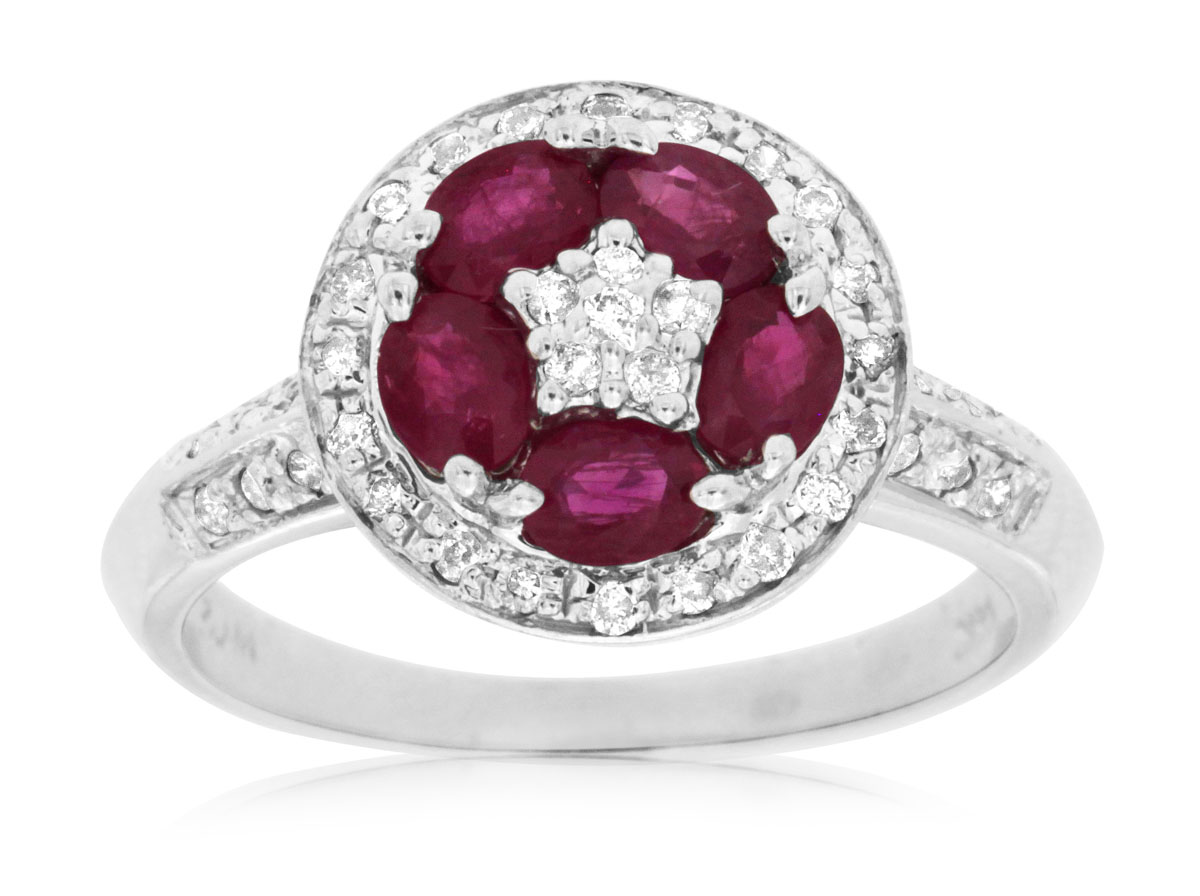
How to Verify the Authenticity of Loose Gemstones
Buying a gemstone should feel exciting, not stressful. But with so many treated, synthetic, and simulated stones on the market today, it’s easy to wonder whether what you’re holding is the real deal.
A little knowledge goes a long way here, and it can save you from a costly mistake when shopping for loose gemstones in Skagway.
At KG Jewelers we’ve spent years helping customers choose stones they can trust, and we want every buyer to feel confident before making a purchase.
Here’s what actually matters when verifying the authenticity of loose gemstones.
Start with a Certificate From an Independent Lab
A gemological certificate from a respected, independent laboratory is one of the strongest tools you have when shopping for loose gemstones. Labs like GIA, AGL, or GIA-trained gemologists examine a stone’s characteristics under controlled conditions and document exactly what they find.
This certificate should describe the stone’s weight, dimensions, color, clarity, and any treatments it’s undergone. If a seller can’t produce one or seems reluctant to get one, that’s worth pausing over before you commit to a purchase.
Look Closely at Color and Clarity
Natural gemstones rarely show perfectly even color throughout. Slight variations, called color zoning, are actually a good sign since they’re common in natural stones and harder to fake convincingly. Synthetic stones often show suspiciously uniform color from edge to edge.
Clarity matters too. Natural inclusions, those tiny internal characteristics, are like fingerprints. They’re proof the stone formed naturally over time rather than in a lab. A stone that looks flawless under magnification deserves a second, closer look.
Check for Consistency in Weight and Measurements
Every gemstone has a known density based on its mineral makeup. A jeweler or gemologist can compare a stone’s weight against its measurements to check whether the numbers line up with what’s expected for that type of stone. If something doesn’t add up, that’s a red flag worth investigating further.
This step takes specialized tools most buyers don’t have at home, which is exactly why working with someone experienced matters so much when buying loose gemstones in Skagway. A quick check by a trained eye can catch what an untrained one might miss completely.
Ask About the Stone’s Origin and History
A reputable seller should be able to tell you where a stone came from and how it was treated, if at all. Many gemstones undergo treatments like heating or fracture filling to enhance their appearance, and that’s not necessarily a problem as long as it’s disclosed upfront.
What matters is honesty. If a seller dodges questions about origin or treatment, take that as a signal to look elsewhere. Loose gemstones in Skagway should come with a clear, honest story behind them, not vague answers.
Use a Jeweler’s Loupe to Examine Details
A 10x jeweler’s loupe lets you see details invisible to the naked eye. Natural stones often show small inclusions, growth lines, or slight color variations under magnification. Glass or synthetic imitations tend to look too perfect or show telltale bubbles that natural stones simply don’t have.
This tool is inexpensive and easy to use once you know what you’re looking for. It won’t replace professional verification, but it’s a helpful first step before you ever bring a stone in for closer evaluation.
Trust Reputable Sellers Over Bargain Deals
If a deal feels too good to be true, it usually is. Genuine loose gemstones, especially rare or precious ones, carry a price that reflects their rarity and quality. A seller offering a rare stone at a fraction of its expected value should raise questions, not excitement.
Working with an established, trustworthy jeweler protects you from this risk entirely. We always encourage buyers to ask questions, request documentation, and take their time before purchasing loose gemstones in Skagway, since a rushed decision is where most buyer’s remorse begins.
Why Professional Verification Still Matters Most
Home tests and visual checks help you narrow things down, but nothing replaces a trained gemologist’s eye. Professionals use specialized equipment like refractometers and spectroscopes to confirm a stone’s identity with certainty that a loupe simply can’t provide.
If you’re making a significant purchase, getting your loose gemstones professionally verified is worth the extra step. It protects your investment and gives you peace of mind that what you’re buying is exactly what it’s claimed to be.
Final Thoughts
Verifying a gemstone’s authenticity doesn’t have to feel overwhelming once you know what signs to look for. From checking certificates to examining color and clarity, each step builds confidence in what you’re buying. We believe every customer deserves transparency and honesty, which is why we stand behind every one of our loose gemstones in Skagway with clear documentation and straight answers.
Frequently Asked Questions
Can a simple flashlight test help identify a fake gemstone?
A flashlight can reveal basic clues, like unusual sparkle patterns or visible bubbles in glass imitations, but it isn’t a reliable standalone method. It works best as a quick first check before seeking proper gemological verification for anything valuable.
Do treated gemstones count as less authentic than untreated ones?
Treated gemstones are still genuine, natural stones, just enhanced through processes like heating to improve color or clarity. Authenticity refers to whether a stone is natural versus synthetic, not whether it’s been treated, as long as treatments are disclosed honestly.
How does temperature affect gemstone testing accuracy?
Extreme temperature changes can occasionally affect certain testing tools, like thermal conductivity testers used for diamonds. Most standard gemological tests, however, are designed to work reliably at normal room temperature without needing special climate conditions.